

The Importance of Play-Based Learning in Early Education
- Sandeep Goel
- Dec 15, 2025
- 4 min read

Updated: Feb 10
Play-based learning is essential for young children. It lays the groundwork for their future learning experiences. By engaging in play, children learn valuable lessons that extend beyond the classroom. This method fosters a love for learning that can last a lifetime.
The Key Play-Based Learning Benefits for Young Children
Play-based learning offers a range of benefits that contribute to a child’s overall development. Here are some of the most important advantages:
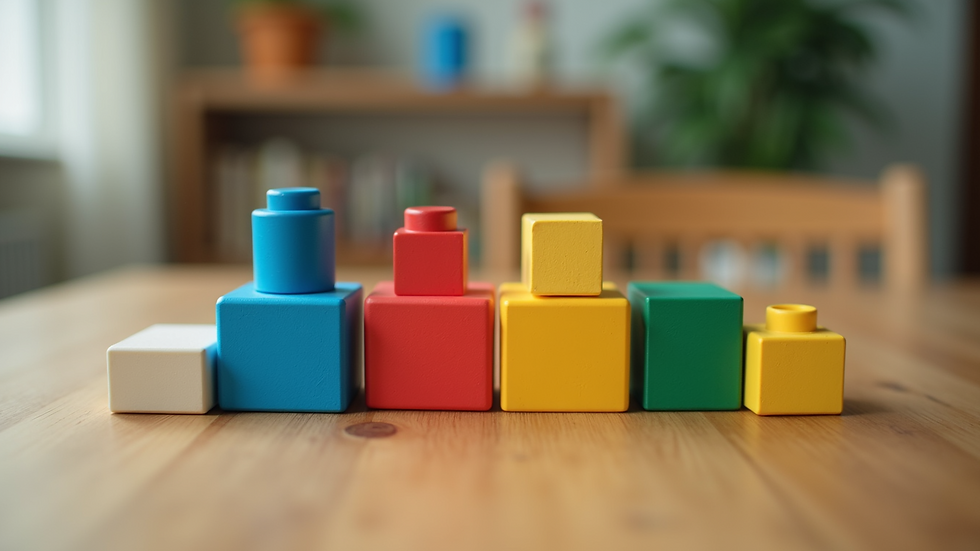
Cognitive Development: Through play, children learn to think critically and solve problems. For example, building blocks help them understand spatial relationships and cause and effect.
Language Skills: Play encourages communication. When children engage in pretend play, they practice new words and sentence structures.
Social Skills: Playing with others teaches sharing, cooperation, and empathy. These skills are essential for forming healthy relationships.
Emotional Growth: Play allows children to express feelings and manage emotions in a safe environment.
Physical Development: Active play supports motor skills, coordination, and overall health.
These benefits show why play is not just a break from learning but a fundamental part of it. When children play, they are actively constructing knowledge and developing skills that will serve them throughout life.
How Play-Based Learning Supports Holistic Development
Holistic development means nurturing all aspects of a child’s growth - intellectual, emotional, social, and physical. Play-based learning naturally supports this by engaging children in activities that touch on multiple areas at once.
For example, a simple game of “grocery store” can involve:
Math skills: Counting items and handling pretend money.
Language skills: Using new vocabulary and practicing conversation.
Social skills: Taking turns and negotiating roles.
Emotional skills: Understanding feelings like excitement or frustration.
Physical skills: Moving around and handling objects.
This integrated approach helps children develop in a balanced way. It also makes learning enjoyable and meaningful, which increases motivation and retention.
In a quality early childhood education setting, play is carefully planned to encourage these connections. Educators observe children’s interests and guide play to extend learning without interrupting the natural flow.
What are the 5 Components of Early Childhood Education?
Understanding the five components of early childhood education (ECE) helps clarify how play fits into a broader learning framework. These components are:
Health and Nutrition: Ensuring children are physically healthy and well-nourished to support learning.
Safe and Nurturing Environment: Providing a secure space where children feel comfortable to explore and express themselves.
Play and Learning Activities: Offering age-appropriate play that promotes cognitive, social, and emotional development.
Family and Community Engagement: Involving parents and caregivers in the learning process to reinforce skills and values.
Qualified Educators: Skilled teachers who understand child development and can facilitate meaningful play experiences.
Play-based learning is central to the third component but also supports the others by creating a positive, engaging environment. When these components work together, children receive a well-rounded foundation for future success.
Practical Ways to Encourage Play-Based Learning at Home
Supporting play-based learning does not require special equipment or expensive toys. Here are some simple, effective ways to encourage your child’s development through play:
Create a Safe Play Space: Designate an area where your child can explore freely without constant supervision.
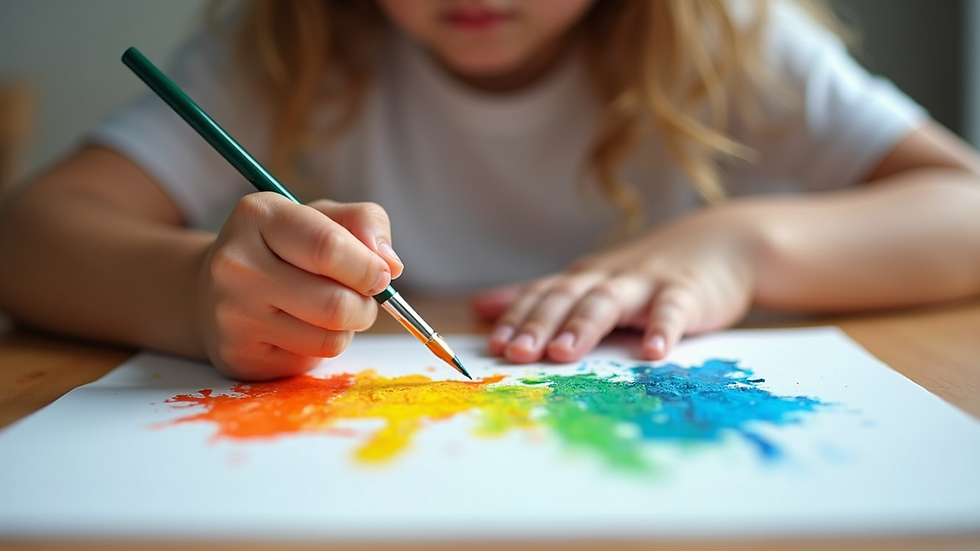
Provide Open-Ended Materials: Items like blocks, art supplies, and dress-up clothes allow children to use their imagination.
Join in the Play: Participate without taking control. Ask questions and encourage your child to explain their ideas.
Limit Screen Time: Encourage hands-on activities that promote active learning.
Encourage Outdoor Play: Nature offers endless opportunities for discovery and physical activity.
Follow Your Child’s Interests: Observe what excites your child and provide related materials or experiences.
By integrating these practices, you help your child develop essential skills while enjoying the process. Remember, the goal is to make learning feel natural and joyful.
Choosing the Right Preschool for Play-Based Learning
Selecting a preschool that values play-based learning is crucial for your child’s early years. Look for programs that:
Emphasize child-led activities and exploration.
Have trained educators who understand developmental stages.
Offer a variety of play materials and outdoor spaces.
Encourage family involvement and communication.
Focus on holistic development, not just academics.
Little Berries Preschool in Koramangala is an example of a place committed to these principles. Their approach fosters a joyful and supportive environment where children can thrive through play. This kind of setting lays a strong foundation for lifelong learning and well-being.
Supporting Lifelong Learning Through Play
Play-based learning is not just for early childhood; it sets the stage for a positive attitude toward learning throughout life. When children experience learning as enjoyable and meaningful, they develop curiosity and resilience. These qualities help them face challenges and adapt to new situations.
By prioritizing play in the early years, we give children the tools they need to succeed academically and socially. It also supports their emotional health, helping them become confident and capable individuals.
If you are looking for a preschool that understands the importance of play-based learning and holistic development, consider exploring options like early childhood education programs that align with these values.
Conclusion: The Power of Play-Based Learning
Play-based learning is a powerful approach that nurtures every aspect of a child’s growth. By embracing this method, we can help children build a strong foundation for their future. Whether at home or in preschool, encouraging play is one of the best gifts we can offer to support their development and happiness.
In summary, play is not just a pastime; it is a crucial part of learning. It fosters skills that children will carry with them throughout their lives. As we support their play, we are also supporting their journey toward becoming well-rounded individuals.


Comments